Category: Article

  • Unlock Your Dream Job: 10 Inspiring Resume Examples Across Industries

    Unlock Your Dream Job: 10 Inspiring Resume Examples Across Industries

    🎯 Crafting a Standout Resume: Inspiring Examples from Diverse Industries πŸ“

    Throughout my career, I’ve had the opportunity to review countless resumes across various industries. From marketing professionals to software engineers, I’ve seen firsthand what makes a resume truly stand out from the crowd. Today, I want to share some of the most inspiring resume examples I’ve come across, along with valuable insights to help you create a compelling resume that showcases your unique skills and experiences.

    πŸ“ˆ Marketing: Highlighting Creativity and Results

    One of the most impressive marketing resumes I’ve seen belonged to a senior marketing manager. What made this resume exceptional was the way it showcased both creativity and tangible results. The candidate included a visually appealing infographic that highlighted their key achievements, such as increasing website traffic by 150% and generating $500K in new revenue through innovative marketing campaigns.

    When crafting your marketing resume, focus on quantifiable accomplishments that demonstrate your impact. Use eye-catching visuals, such as charts or graphs, to make your achievements more digestible and memorable.

    πŸ’» Software Engineering: Showcasing Technical Expertise

    In the tech industry, a standout resume is one that effectively communicates your technical skills and project experience. One software engineer’s resume that caught my attention had a clean, modern design and a dedicated “Projects” section. They provided concise descriptions of their most significant projects, emphasizing the technologies used and their role in each project.

    To make your software engineering resume shine, highlight your proficiency in programming languages, frameworks, and tools relevant to your desired position. Include links to your GitHub profile or personal website to showcase your coding projects and contributions.

    🎨 Graphic Design: Letting Your Work Speak for Itself

    A graphic designer’s resume should be a testament to their creativity and design skills. One of the most memorable graphic design resumes I’ve encountered was a beautifully designed one-page resume that looked more like an artistic portfolio. The designer strategically incorporated their branding and design elements throughout the resume, making it a visual representation of their unique style.

    When creating your graphic design resume, treat it as an opportunity to showcase your design aesthetic. Use a clean, modern layout with carefully selected typography and colors. Include links to your online portfolio or attach a PDF with samples of your best work.

    πŸ’Ό Business Management: Emphasizing Leadership and Achievements

    For business management professionals, a standout resume should highlight leadership experience and quantifiable achievements. One impressive resume I reviewed belonged to a business development manager who had a proven track record of driving revenue growth. They included a “Key Accomplishments” section that outlined their most significant wins, such as securing multi-million dollar contracts and expanding the company’s market share.

    When crafting your business management resume, focus on showcasing your leadership skills and ability to drive results. Use bullet points to highlight your achievements, and provide specific metrics whenever possible.

    A diverse group of professionals collaborate in a stylish, modern coworking space with loft design.
    Photo by RDNE Stock project on Pexels

    ✨ The Power of a Strong Resume

    No matter your industry, a well-crafted resume has the power to open doors and create opportunities. By studying inspiring resume examples and tailoring your own resume to showcase your unique strengths and experiences, you can increase your chances of landing your dream job.

    Remember, your resume is often the first impression you make on a potential employer. Take the time to craft a compelling document that tells your professional story and highlights your most impressive accomplishments. With a standout resume in hand, you’ll be well on your way to securing the job you’ve always wanted.

    Happy resume writing! πŸ€

  • Elevate Your Resume: Showcase Your Education and Certifications Expertly

    Elevate Your Resume: Showcase Your Education and Certifications Expertly

    πŸ“œ Crafting the Perfect Education & Certification Section on Your Resume πŸŽ“

    As someone who has reviewed countless resumes over my career, I know firsthand how important it is to properly showcase your educational background and professional certifications. The education and certification section of your resume is a critical component that employers pay close attention to. It provides key insights into your knowledge, skills, and qualifications.

    In this post, I’ll share my best tips and advice for crafting an education and certification section on your resume that will impress hiring managers and help you land more interviews. Let’s dive in!

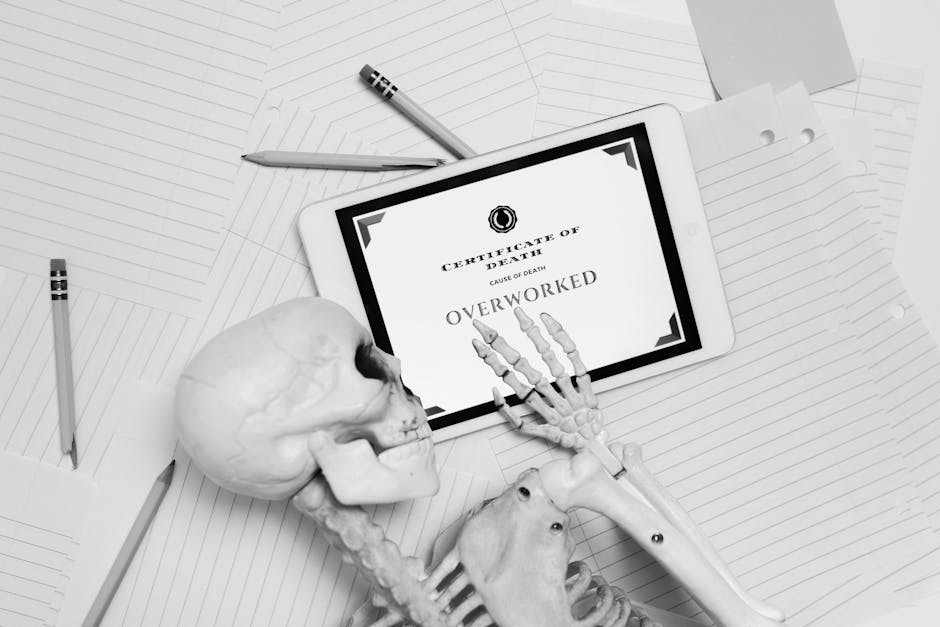
    Black and white image of skeleton hand holding tablet with 'Certificate of Death' showing overworked.
    Photo by Tara Winstead on Pexels

    🏫 Formatting Your Education Section

    List Degrees in Reverse Chronological Order

    Start with your most recent or highest level of education first. For each degree, include:

    • Name of the institution
    • Location of the school (city, state)
    • Degree obtained (e.g. Bachelor of Science)
    • Field of study or major
    • Graduation year
    • GPA (if above 3.5)

    If you have multiple degrees, list them in order with the most recent one first. Here’s an example of how I format my own education on my resume:

    Stanford University, Stanford, CA
    Master of Business Administration (MBA), 2018
    GPA: 3.8

    University of Michigan, Ann Arbor, MI
    Bachelor of Science in Computer Science, 2014
    Minor in Mathematics
    GPA: 3.7, Magna Cum Laude

    Highlight Honors, Awards & Relevant Coursework

    If you graduated with honors (e.g. Cum Laude, Magna Cum Laude, Summa Cum Laude), definitely include that on your resume. Any academic awards, scholarships, or other accolades are also worth mentioning.

    I recommend including a “Relevant Coursework” subsection under your degree if you took classes that are pertinent to the jobs you’re applying for. This helps show that you have specific knowledge in key areas. For example, when I was applying for product management roles, I listed courses like:

    Relevant Coursework: Software Product Management, UX Design & Research, Data Science for Business, Entrepreneurship

    πŸ… Showcasing Professional Certifications

    Professional certifications demonstrate your expertise and commitment to your field. When listing certifications on your resume:

    • Include the full name of the certification
    • Name of the certifying organization or governing body
    • Date earned or renewed
    • Location (if applicable)

    If you hold many certifications, consider breaking them out into their own “Certifications” section on your resume. Here’s how I list my own certifications:

    Certifications
    Project Management Professional (PMP), Project Management Institute, 2019
    Certified ScrumMaster (CSM), Scrum Alliance, 2017
    AWS Certified Solutions Architect – Associate, Amazon Web Services, 2016

    A man pointing at a film development guide on a wall in a workshop setting.
    Photo by Annushka Ahuja on Pexels

    πŸ’‘ πŸ’‘ Tips for Optimizing Your Education & Certifications

    Tailor to the Job

    Review the job posting carefully and mirror the language used when describing your education and certifications. If the employer is looking for specific degrees, majors, or certifications, make sure those are front and center.

    Don’t Include High School

    If you have a college degree, remove your high school from your resume. The only exception is if you’re applying for an entry-level job and your high school is particularly impressive or well-known.

    Use Consistent Formatting

    However you choose to format your education and certifications, keep it consistent. Use the same font size, style, and layout for each entry. This looks more polished and professional.

    Consider Placement

    If you’re a recent graduate or your education is your strongest selling point, put the education section at the top of your resume, just below your summary. If you have several years of work experience, move education below that.

    πŸ”‘ πŸ“ Key Takeaways for a Standout Education & Certification Section

    Remember, the goal of your resume is to quickly convey your qualifications and fit for the role. By following these strategies for your education and certifications sections, you’ll give employers a clear picture of your background and skills:

    πŸŽ“ Format your education in reverse chronological order, including the degree, major, school name, and graduation year. Include your GPA if it’s above 3.5.

    πŸ… List relevant certifications with the name of the certification, the certifying organization, and the date earned. Break out into a separate section if you have several.

    πŸ’‘ Tailor your education and certifications to the job by mirroring language from the job description. Place the section strategically and use consistent formatting.

    I hope this advice helps as you craft your own standout resume. A well-organized education and certification section is a key component of an impressive resume that will get you noticed by employers. Best of luck with your job search!

    A cozy indoor workspace featuring a laptop, open book, notepad, and coffee, perfect for studying or remote work.
    Photo by Mikhail Nilov on Pexels
  • The Anatomy of a Perfect Resume: Crafting the Ultimate Job-Winning Tool

    The Anatomy of a Perfect Resume: Crafting the Ultimate Job-Winning Tool

    πŸ’‘ 🎯 Crafting the Perfect Resume: Insider Tips for Job Search Success πŸ“

    As a career coach who has reviewed thousands of resumes over the years, I’ve seen it all – the good, the bad, and the downright ugly. But what exactly makes a resume stand out from the crowd and catch the attention of hiring managers? In this post, I’ll share my insider tips and personal experiences to help you understand the anatomy of a perfect resume.

    Close-up of a starfish and seashells on sandy, turquoise background.
    Photo by RDNE Stock project on Pexels

    πŸ”‘ πŸ“‹ The Foundation: Key Sections Every Resume Needs

    Every great resume is built on a solid foundation. These are the essential sections that hiring managers expect to see:

    πŸ‘€ Contact Information

    Start with your full name, email address, phone number, and location (city and state). Make sure your email is professional – no “partygirl22@email.com” please! I once had a client who used a goofy email on his resume and wondered why he never got callbacks. Don’t make that mistake.

    πŸ’Ό Work Experience

    List your work history in reverse chronological order, with your most recent job first. Include the company name, your job title, dates of employment, and a few bullet points highlighting your key responsibilities and achievements. Quantify your accomplishments with numbers whenever possible.

    πŸŽ“ Education

    Add your highest level of education, including the degree, school name, and graduation year. If you have multiple degrees, list them in reverse chronological order. Don’t include your GPA unless you’re a recent grad and it’s above 3.5.

    πŸ’‘ Skills

    Showcase your relevant skills, including technical proficiencies, language abilities, and soft skills. Tailor this section to the job you’re applying for by including keywords from the job description.

    ✨ The Secret Sauce: What Makes a Resume Stand Out

    Now that you have the basic structure down, let’s dive into the elements that will make your resume truly shine.

    🎯 Tailor Your Resume to the Job

    One of the biggest mistakes I see job seekers make is using the same generic resume for every application. Take the time to customize your resume for each job, highlighting the skills and experiences that are most relevant to that particular role. It may take a bit more effort, but it’s worth it.

    πŸ“ Use Action Verbs and Quantify Achievements

    Instead of simply listing your job duties, use powerful action verbs to describe your accomplishments. For example, instead of saying “responsible for increasing sales,” say “boosted sales by 30% through targeted marketing campaigns.” Quantifying your achievements with numbers makes them more impactful and memorable.

    πŸ’« Keep It Concise and Visually Appealing

    Hiring managers are busy people who often have to review dozens, if not hundreds, of resumes. Make their job easier by keeping your resume concise and easy to read. Stick to a clean, modern font, use bullet points to break up text, and keep it to one or two pages max. I once had a client who sent me a 7-page resume – needless to say, we had a lot of work to do to trim it down!

    Close-up of a fish skeleton on dark pebbles, showcasing nature's intricate design.
    Photo by Amar Preciado on Pexels

    πŸŽ‰ Putting It All Together: The Anatomy of a Perfect Resume

    So, what does the perfect resume look like? It’s a document that showcases your unique skills and experiences in a way that is tailored to the job you’re applying for. It’s concise, visually appealing, and packed with action verbs and quantifiable achievements. Most importantly, it tells your career story in a compelling way that makes hiring managers take notice.

    Remember, your resume is often the first impression you make on a potential employer. By following these insider tips and putting in the effort to craft a standout document, you’ll be well on your way to landing your dream job. Happy job hunting!

  • Unleash Your Creativity: 10 Eye-Catching Resume Templates that Land Interviews

    Unleash Your Creativity: 10 Eye-Catching Resume Templates that Land Interviews

    🎨 Crafting a Creative Resume: How to Make Yours Stand Out πŸ‘€

    When it comes to job hunting, your resume is your first impression. It’s your chance to showcase your skills, experience, and personality to potential employers. But with so many applicants vying for the same positions, how can you make sure your resume gets noticed? The answer: by getting creative with your resume template!

    I remember when I was applying for my first job out of college. I spent hours crafting the perfect resume, but it looked just like everyone else’s – boring and forgettable. It wasn’t until I decided to get a little creative that things started to change. I experimented with different layouts, colors, and visual elements to make my resume pop. And you know what? It worked! My creative resume caught the eye of several employers and helped me land some great interviews.

    🌟 Why a Creative Resume Template Matters

    In today’s competitive job market, a standard black-and-white resume just doesn’t cut it anymore. Employers are looking for candidates who can think outside the box and bring something unique to the table. A creative resume template allows you to:

    • Showcase your personality and style
    • Demonstrate your creativity and innovation
    • Make a memorable first impression
    • Stand out from the sea of generic resumes

    Of course, it’s important to strike a balance. You don’t want your resume to be so over-the-top that it distracts from your qualifications. The key is to use creative elements strategically to enhance your content, not overshadow it.

    πŸ–ŒοΈ Elements of an Eye-Catching Creative Resume

    So what exactly makes a resume template creative? Here are some elements to consider:

    1. Unique Layout
    Instead of the traditional top-down format, try experimenting with different layouts. You could use columns, infographics, or even a non-linear design to organize your information in a visually interesting way.

    2. Color Scheme
    A pop of color can go a long way in making your resume stand out. Choose a color scheme that reflects your personality and the industry you’re in. Just be sure to use color sparingly and keep it professional.

    3. Visual Elements
    Incorporating visual elements like icons, charts, or illustrations can help break up text and make your resume more engaging. Just make sure they’re relevant to your content and not too distracting.

    4. Typography
    Your font choice can say a lot about you. Instead of defaulting to Times New Roman, try a modern, easy-to-read font like Calibri or Arial. And don’t be afraid to play with font sizes and weights to create visual hierarchy.

    πŸ“ Crafting Creative Content

    Of course, even the most beautifully designed resume won’t get you far if the content falls flat. When writing your resume, be sure to:

    • Tailor it to the specific job you’re applying for
    • Use strong action verbs to describe your experiences
    • Quantify your achievements with numbers and statistics
    • Highlight your most relevant skills and qualifications
    • Show some personality in your summary or objective statement

    Remember, your resume is a reflection of you. Don’t be afraid to let your unique voice and style shine through!

    πŸš€ Creative Resume Template Resources

    Ready to create your own eye-catching resume? Here are some great resources to get you started:

    • Canva Resume Templates – Canva offers a wide selection of customizable creative resume templates, no design skills required!
    • Creative Market Resume Templates – This online marketplace has a curated collection of unique, professional resume templates for purchase.
    • Behance Resume Templates – Behance is a great place to find resume design inspiration from creatives around the world, with many templates available for download.
    Professional woman standing with a grid board against a textured background.
    Photo by RDNE Stock project on Pexels

    πŸ”‘ πŸ“£ Key Takeaways for a Standout Resume

    Creating a resume that gets noticed in a sea of applicants is no easy feat. But by getting creative with your resume template, you can give yourself a major advantage. Remember to:

    🎨 Use unique visual elements to make your resume pop
    πŸ“ Craft compelling content that highlights your skills and experience
    😎 Let your personality shine through while keeping things professional

    With these tips in mind, you’ll be well on your way to designing a creative, eye-catching resume that lands you your dream job. So go ahead – think outside the boring black-and-white box and show employers what you’re really made of!

    Happy resume crafting! πŸ™Œ

  • Elevate Your Job Search: Craft a Captivating Resume Summary in 5 Steps

    Elevate Your Job Search: Craft a Captivating Resume Summary in 5 Steps

    πŸ“ How I Crafted a Killer Resume Summary: Lessons Learned

    When I first started job hunting, I quickly realized that my resume was just one among hundreds (if not thousands) vying for a recruiter’s attention. I knew I needed a way to stand out from the crowd and make a strong first impression. That’s when I discovered the power of a well-crafted resume summary.

    Your resume summary is like your personal elevator pitch. It’s your chance to quickly highlight your most relevant skills, experiences, and achievements in a way that grabs the reader’s interest and makes them want to learn more. But crafting a compelling summary is easier said than done.

    Through trial and error, I’ve learned some valuable lessons about what makes a resume summary shine. In this post, I’ll share my top tips and insights to help you create a killer resume summary that gets results.

    🎯 Know Your Target Audience

    Before you start writing your resume summary, it’s crucial to understand who will be reading it. What industry are you targeting? What specific role are you applying for? What skills and qualifications are most important for that position?

    Take the time to research the company and the job description. Look for keywords and phrases that keep popping up, and make note of the main responsibilities and requirements. Then, tailor your summary to showcase how you’re the perfect fit for that particular role.

    For example, when I was applying for a content marketing position, I made sure to highlight my experience with SEO, social media, and email marketing, since those were all key aspects of the job. By showing that I understood the role and had the right skills, I was able to catch the hiring manager’s attention.

    πŸ’ͺ Showcase Your Unique Value Proposition

    Your resume summary is not the place to be modest or generic. Instead, it’s your opportunity to sell yourself and showcase what makes you uniquely qualified for the role.

    Think about your biggest accomplishments, your most impressive skills, and the qualities that set you apart from other candidates. Then, find a way to weave those elements into your summary in a concise and compelling way.

    When I was job searching, I realized that my background in psychology was a unique asset for marketing roles. So I made sure to mention that in my summary, saying something like, “Marketing professional with a psychology background, skilled at understanding consumer behavior and crafting persuasive messaging.”

    By highlighting my unique blend of skills and experiences, I was able to stand out from other applicants and show the value I could bring to the role.

    πŸ“Œ Keep It Concise and Skimmable

    Recruiters and hiring managers are busy people, and they don’t have time to read a novel about your entire career history. Your resume summary should be short, sweet, and to the point – ideally 3-5 sentences max.

    Use bullet points or short paragraphs to break up the text and make it easy to skim. Focus on the most important highlights and leave out any irrelevant details. Remember, the goal is to pique their interest and make them want to read more, not to tell your whole life story.

    I like to think of the resume summary as a movie trailer. You want to show the most exciting and intriguing snippets to hook the viewer, without giving away the whole plot. Leave them wanting more, so they’ll be motivated to “watch the full movie” (i.e. read the rest of your resume).

    ✍️ Use Strong, Active Language

    When it comes to writing your resume summary, every word counts. You want to use strong, active language that conveys confidence and accomplishment.

    Avoid passive phrases like “responsible for” or “participated in.” Instead, use power verbs like “spearheaded,” “optimized,” “generated,” or “exceeded.” These words help paint a picture of you as a proactive, results-driven professional.

    I also recommend quantifying your achievements whenever possible. Instead of saying “Improved sales,” say “Boosted sales by 25% through targeted email campaigns.” Numbers help illustrate the concrete impact you’ve had and make your accomplishments more tangible.

    🎨 Inject Some Personality

    While your resume summary should be professional, that doesn’t mean it has to be boring. Don’t be afraid to inject some personality and show a little bit of who you are beyond your job titles.

    Think about the qualities that make you unique and try to weave them into your summary in a subtle way. Are you particularly creative? Analytical? Passionate about your work? Find a way to hint at those traits through your word choice and phrasing.

    For example, in one of my past resume summaries, I described myself as a “creative problem-solver” and “lifelong learner.” Those phrases gave a glimpse into my personality and work style, while still sounding professional and relevant.

    The key is to strike a balance – you want to stand out and sound like a real person, but you don’t want to come across as unprofessional or gimmicky. A little personality goes a long way.

    Free stock photo of crafts, pottery, pottery art
    Photo by Ugur Tandogan on Pexels

    πŸ“Ž Putting It All Together

    Crafting a compelling resume summary takes time, thought, and a bit of finesse. But by following these tips and insights, you’ll be well on your way to creating a summary that grabs attention and sets you apart from the competition.

    Remember to tailor your summary to your target audience, showcase your unique value proposition, keep it concise and skimmable, use strong and active language, and inject a bit of personality. With a killer resume summary in hand, you’ll be one step closer to landing your dream job.

    So what are you waiting for? Go put these tips into action and take your resume to the next level. Your future employer will thank you!

  • Unlock Your Career Transformation: Captivating Resume Templates for Career Changers

    Unlock Your Career Transformation: Captivating Resume Templates for Career Changers

    🌟 Changing Careers? Here’s How the Right Resume Template Can Help πŸ’Ό

    As someone who has gone through a major career change myself, I know firsthand how daunting the process can be. One of the biggest challenges is figuring out how to present your skills and experience in a way that resonates with hiring managers in your new field. That’s where having the right resume template comes in.

    When I decided to make the leap from teaching to marketing, I struggled with how to showcase my transferable skills on my resume. I spent hours scouring the internet for tips and templates, feeling overwhelmed by all the conflicting advice out there.

    But then I discovered the power of using a resume template specifically designed for career changers. It was a game-changer! πŸ™Œ Suddenly, I had a clear framework for highlighting my relevant skills and experiences in a way that made sense for my new career path.

    A clipboard with a resume beside a pen and laptop on a marble desk, ideal for business and job application themes.
    Photo by Markus Winkler on Pexels

    🎯 Why a Career Change Resume Template is Essential

    If you’re in the midst of a career transition, a generic resume template simply won’t cut it. You need a format that allows you to:

    1. Emphasize Transferable Skills 🧩

    One of the keys to a successful career change resume is showcasing how your existing skills translate to your new field. A good template will have dedicated sections for highlighting relevant skills, even if you developed them in a different industry.

    2. Downplay Irrelevant Experience πŸ™ˆ

    When changing careers, you likely have some past positions that aren’t directly related to your new path. The right resume template will allow you to minimize or omit these less relevant roles, keeping the focus on your transferable experience.

    3. Tell Your Career Story πŸ“˜

    A standout career change resume goes beyond just listing your skills and experience – it tells a compelling story about your professional journey. Look for a template with room for a strong summary or objective statement to help tie together your past experience with your new career goals.

    πŸ’‘ πŸ’Ž Top Tips for Choosing a Winning Career Change Resume Template

    So how do you choose the best resume template for your career transition? Here are my top tips:

    1. Look for Skill-Based Formats πŸ”§

    Opt for a resume format that prioritizes skills over chronological work history. Some great options include functional or combination resume templates that allow you to categorize your skills into relevant themes.

    2. Prioritize Readability πŸ‘“

    When changing careers, you want a resume that is easy for hiring managers to quickly scan and understand. Choose a template with a clean, modern design and clear section headings.

    3. Customize, Customize, Customize! ✏️

    No matter what template you choose, be sure to tailor it to your unique skills, experiences, and target jobs. Swap out generic headings for ones that specifically relate to your new industry. Add in keywords from the job descriptions you’re targeting.

    4. Show Some Personality 🌈

    Changing careers is a bold move – don’t be afraid to let some of that boldness shine through in your resume design! Look for templates that offer room for creative touches, like a pop of color or a unique layout.

    A team of professionals engage in a business meeting in a sleek, modern office setting.
    Photo by RDNE Stock project on Pexels

    🌱 Grow Your Career With the Right Resume

    Making a major career change is never easy, but having the right tools in your arsenal can make all the difference. By using a tailored resume template and following these tips, you’ll be well on your way to landing your dream job in your new field.

    Remember, your resume is just the first step in your career change journey. Be prepared to network, upskill, and put yourself out there in your new industry. But with a strong, compelling resume in hand, you’ll be ready to take on whatever challenges come your way! πŸ’ͺ

    So don’t let fear hold you back – embrace the change and go after your goals with confidence. The right resume template is just the beginning of an exciting new chapter in your career story. 🌟

  • Unlock the Power of Captivating Resume Templates: Your Ticket to Standout Success

    Unlock the Power of Captivating Resume Templates: Your Ticket to Standout Success

    πŸ’‘ πŸ“ Crafting the Perfect Resume with Templates: My Experience & Tips

    When I first started job hunting after college, I had no idea where to begin with creating my resume. I knew I needed something that would stand out and showcase my skills and experience in the best light possible. That’s when I discovered the power of resume templates.

    Resume templates provide a pre-designed structure and format for presenting your qualifications, work history, and achievements. They take the guesswork out of how to organize and style your information. And let me tell you, using a template was a game-changer for me in landing interviews and ultimately my dream job.

    A cheerful group clinks glasses during an outdoor brunch celebration, with diverse hands and appetizing food.
    Photo by cottonbro studio on Pexels

    βœ… 🌟 The Benefits of Using Resume Templates

    πŸ’‘ They Save You Time and Effort

    One of the biggest advantages of using a resume template is the time and energy it saves. Instead of agonizing over the layout and design, you can focus your efforts on crafting compelling content. The template provides a roadmap, so you know exactly where each piece of information should go.

    When I used my first template, I was amazed at how quickly I was able to create a polished, professional-looking resume. It took me a fraction of the time it would have if I had started from scratch.

    πŸ‘€ They Help You Make a Strong First Impression

    In a competitive job market, your resume needs to grab a hiring manager’s attention right away. A well-designed template can help you do just that. The visual appeal and clean organization makes your resume more readable and allows your qualifications to shine.

    I noticed a significant increase in responses from employers once I started using a sleek, modern template. It gave me the confidence that my resume was making a strong first impression before they even read a word.

    🎨 Templates Offer Variety and Flexibility

    Another great thing about resume templates is the sheer variety available. Whether you’re looking for something creative, traditional, or industry-specific, there’s a template out there for you. And most templates are customizable, so you can adapt them to your unique needs and personal brand.

    I experimented with a few different styles before landing on one that felt authentic to me. I was able to add my own flair while still maintaining a professional aesthetic.

    πŸ’‘ πŸ’« Tips for Choosing and Using Resume Templates

    🎯 Consider Your Industry and Job Target

    When selecting a resume template, it’s important to keep your specific industry and desired position in mind. A creative template with bold colors and graphics may be perfect for a graphic designer, but it could be too flashy for a more conservative field like finance.

    I made sure to research resume norms and expectations in my industry before making my template choice. You want your template to enhance your content, not distract from it.

    ✍️ Customize and Proofread

    While templates provide a great starting point, it’s crucial that you take the time to customize and proofread your resume. Tailor your content to the specific job you’re applying for, highlighting the most relevant skills and experiences. And always, always double check for any typos or formatting issues.

    I learned the hard way that a small mistake can be glaring to a detail-oriented hiring manager. Taking the extra time to review and polish can make all the difference.

    πŸ” Choose a Template That Highlights Your Strengths

    Different templates are better suited for highlighting different types of qualifications and experiences. For example, if you’re a recent graduate with limited work history but strong academic achievements, you may want a template that dedicates significant space to an education section.

    In my case, I chose a template that put the spotlight on my relevant internships and volunteer work, since I was just starting out in my career. The right template can help you put your best foot forward based on your unique background.

    A collection of paper sewing patterns hanging in a bright fashion studio interior.
    Photo by Ksenia Chernaya on Pexels

    🎯 🌱 Conclusion: Planting the Seeds for Success

    Using a resume template was instrumental in helping me launch my career. It gave me a professional, polished way to present myself to potential employers and made the resume writing process infinitely less stressful.

    If you’re feeling overwhelmed or uncertain about creating your resume, I highly recommend exploring the world of templates. With a little customization and attention to detail, a template can help you craft a standout resume that opens doors to exciting opportunities.

    Remember, your resume is often an employer’s first impression of you as a candidate. Using a template is like giving yourself a head start in making that impression a positive and memorable one. So go forth and find the template that feels like the best fit for you and your career aspirations. Happy job hunting!

  • Unlock the Secrets to a Captivating Cover Letter: Your Ticket to Job-Winning Success

    Unlock the Secrets to a Captivating Cover Letter: Your Ticket to Job-Winning Success

    πŸ–ŠοΈ Mastering the Art of Writing a Compelling Cover Letter

    When I first started applying for jobs, I had no idea how important a cover letter could be. I would hastily throw together a few paragraphs, hit send, and cross my fingers. Unsurprisingly, I didn’t hear back from most of those applications. It wasn’t until I took the time to learn the art of crafting a compelling cover letter that things started to change.

    Your cover letter is your chance to make a strong first impression and convince the hiring manager that you’re the perfect fit for the role. It’s an opportunity to showcase your personality, highlight your most relevant skills and experiences, and demonstrate your enthusiasm for the position.

    πŸ“ Tailor Your Cover Letter to the Job

    One of the biggest mistakes I used to make was sending out generic cover letters. I thought I could save time by creating a one-size-fits-all template, but this approach rarely yielded positive results. Employers can spot a generic cover letter from a mile away.

    Instead, take the time to research the company and the specific role you’re applying for. Look for keywords in the job description and incorporate them naturally into your cover letter. Show that you understand the company’s mission and values, and explain how your skills and experiences align with their needs.

    πŸ’‘ Start with a Strong Hook

    Your opening paragraph is crucial. It’s your chance to grab the reader’s attention and entice them to keep reading. Avoid boring, clichΓ© openings like “I am writing to apply for the position of…” Instead, try starting with an interesting anecdote, a surprising fact, or a bold statement that showcases your enthusiasm and sets you apart from other candidates.

    πŸ“Œ Focus on Your Most Relevant Experiences

    Your cover letter shouldn’t be a rehash of your resume. Instead, it should complement your resume by providing additional context and highlighting your most relevant experiences. Choose one or two specific examples that demonstrate your skills and achievements, and explain how they make you a strong fit for the role.

    Be specific and quantify your accomplishments whenever possible. Instead of simply stating that you “improved efficiency,” say that you “implemented a new process that reduced turnaround time by 25%.” Hard numbers and concrete examples are much more compelling than vague statements.

    🌟 Show Your Personality

    Your cover letter is an opportunity to let your personality shine through. While it’s important to maintain a professional tone, don’t be afraid to inject some humor, creativity, or passion into your writing. Employers want to hire people, not robots, so show them what makes you unique and memorable.

    One way to do this is by sharing a personal story or anecdote that relates to the role or the company. For example, if you’re applying for a marketing position, you might share a story about a successful social media campaign you ran in your previous role, and explain how it ignited your passion for creative problem-solving.

    πŸ“¬ End with a Strong Call to Action

    Your closing paragraph is just as important as your opening. This is your chance to reiterate your enthusiasm for the role and the company, and to leave a lasting impression on the reader.

    Instead of ending with a passive statement like “I look forward to hearing from you,” try something more proactive and confident. For example: “I would love the opportunity to discuss how my skills and experiences can contribute to your team’s success. I will follow up next week to see if we can arrange a time to chat.”

    White envelope with letter inside surrounded by red envelopes, flat lay view.
    Photo by alleksana on Pexels

    πŸ’ͺ Putting It All Together

    Writing a compelling cover letter takes time and effort, but it’s a skill that will serve you well throughout your career. By tailoring your letter to the specific job, starting with a strong hook, focusing on your most relevant experiences, showing your personality, and ending with a strong call to action, you’ll be well on your way to landing your dream job.

    Remember, your cover letter is your chance to make a strong first impression and convince the hiring manager that you’re the perfect fit for the role. So take the time to craft a compelling, personalized letter that showcases your unique skills and experiences. With a little practice and persistence, you’ll be able to master the art of the cover letter and take your career to new heights! πŸ“ˆ

  • Tailor Your Resume for the Job: Unlock the Secret to Scoring Interviews

    Tailor Your Resume for the Job: Unlock the Secret to Scoring Interviews

    🎯 Why Tailoring Your Resume is Essential for Job Search Success

    When I first started my job search after college, I made the rookie mistake of sending out the same generic resume for every position I applied to. Dozens of applications later, I had no callbacks and was feeling pretty discouraged. That’s when a mentor clued me in on the importance of tailoring your resume for each specific job opportunity.

    Once I started customizing my resume to highlight my most relevant skills and experiences for each role, I noticed a dramatic increase in responses from employers. Tailoring your resume makes a huge difference in demonstrating to hiring managers that you’re the right fit for the position.

    Two businesswomen having a discussion in a sleek, modern office setting.
    Photo by RDNE Stock project on Pexels

    πŸ“ How to Customize Your Resume for Each Job

    1. Analyze the Job Description πŸ”

    The job description is your cheat sheet to understanding exactly what the employer is looking for in a candidate. Carefully read through it and highlight the key skills, qualifications, and experience they are seeking. Make a list of these important keywords.

    2. Match Your Skills to Their Requirements βš–οΈ

    Now, go through your resume and look for opportunities to incorporate those keywords you identified, assuming you possess those skills or qualifications. Use similar language and terminology as the job description. For example, if they are looking for someone with “project management” experience and you have that, make sure that term is on your resume, not just “managed projects.”

    3. Prioritize Relevant Experience πŸ†

    Rejig the content of your resume to put the most relevant experience and accomplishments front and center, even if they aren’t the most recent. If you’re applying for a marketing role, your marketing internship should probably be listed above your more recent retail job. For each position, think about what you did that is most applicable to the job you want.

    4. Customize Your Summary & Objectives 🎯

    Your resume summary or objective is prime real estate for targeting the specific position. Avoid vague statements like “seeking an opportunity to leverage my skills.” Instead, mention the exact job title and company, and express your enthusiasm and qualifications for that particular role. Show that you’ve done your homework.

    5. Tweak Your Formatting πŸ–ŒοΈ

    While the content is most important, tailoring your resume format can also help you stand out. Notice the company’s branding and try to subtly mirror it in your resume color scheme or fonts. If you’re applying to a design firm, make your resume more visual. For an analytics role, a streamlined, data-driven format may serve you better.

    βœ… βœ… The Benefits of a Tailored Resume

    I know what you’re thinking – customizing your resume for each application takes a lot of time and effort. But in my experience, it is well worth it. A tailored resume:

    – Communicates that you are seriously interested in this specific opportunity
    – Demonstrates your familiarity with the company and role
    – Highlights your most relevant and transferable skills
    – Sets you apart from candidates using a one-size-fits-all resume
    – Increases your chances of getting selected for an interview

    A team of professionals engage in a business meeting in a sleek, modern office setting.
    Photo by RDNE Stock project on Pexels

    🌟 Closing Thoughts: Invest the Time, Reap the Rewards

    Tailoring your resume for each job you apply to may feel tedious, but it is one of the most effective ways to improve your chances of landing interviews and getting hired. It shows employers that you are thoughtful, thorough, and seriously interested in the opportunity.

    In a competitive job market, a customized resume can be your secret weapon to rise to the top of the stack. The time and care you put into understanding the role and articulating your most relevant qualifications will come across to hiring managers and recruiters.

    So before hitting “submit” on your next job application, take the time to tailor your resume. Putting in that extra effort can be the difference between another rejection and scoring your dream job. Trust me, when you get that callback, you’ll be glad you did!

  • Unleash Your Potential: Showcase Your Achievements on Your Resume (Proven Strategies)

    Unleash Your Potential: Showcase Your Achievements on Your Resume (Proven Strategies)

    🎯 Mastering the Art of Showcasing Your Achievements on a Resume

    As a seasoned professional who has reviewed countless resumes, I’ve learned that effectively showcasing your achievements is the key to standing out from the crowd. Your resume is your personal marketing tool, and it’s essential to highlight your accomplishments in a way that grabs the attention of potential employers. In this post, I’ll share my insights and experiences on how to make your achievements shine on your resume.

    πŸ” Identify Your Most Significant Accomplishments

    The first step in showcasing your achievements is to identify the accomplishments that have had the most significant impact in your career. Think about the projects you’ve led, the challenges you’ve overcome, and the results you’ve delivered. Make a list of your top achievements, focusing on those that demonstrate your skills, leadership abilities, and value to your previous employers.

    When I was updating my resume a few years ago, I realized that I had been too modest in highlighting my successes. I took the time to reflect on my career and identified the projects that I was most proud of, such as leading a team that increased sales by 30% in one quarter. By showcasing these achievements prominently on my resume, I was able to attract the attention of top employers in my field.

    πŸ“Š Quantify Your Achievements with Numbers and Metrics

    One of the most effective ways to make your achievements stand out is to quantify them with numbers and metrics. Instead of simply stating that you “increased sales” or “improved efficiency,” provide specific figures that demonstrate the impact of your work. For example, “Increased sales by 25% within the first six months” or “Streamlined processes, resulting in a 40% reduction in production time.”

    When I was applying for a leadership role, I made sure to highlight the measurable results of my previous projects. By including statistics like “Led a team of 15 employees to complete a project 20% under budget and 10% ahead of schedule,” I was able to demonstrate my ability to drive results and manage resources effectively. This ultimately helped me land the job and advance my career.

    πŸ’‘ Use Action Verbs to Describe Your Achievements

    When describing your achievements on your resume, use powerful action verbs that convey your leadership, initiative, and impact. Words like “spearheaded,” “orchestrated,” “transformed,” and “optimized” help to paint a picture of your active role in driving success. Avoid passive language or vague descriptions that don’t effectively communicate your contributions.

    I once reviewed a resume that was full of generic statements like “worked on” and “helped with.” While the candidate had impressive experience, their achievements were lost in the weak language. By revising the resume to include action verbs like “pioneered” and “revolutionized,” we were able to showcase their true impact and help them secure their dream job.

    🎨 Tailor Your Achievements to the Job Description

    When applying for a specific position, it’s crucial to tailor your resume to highlight the achievements that are most relevant to the role. Review the job description carefully and identify the key skills and experience the employer is seeking. Then, select the accomplishments from your career that best demonstrate your fit for the position.

    Earlier in my career, I made the mistake of sending out a generic resume for all job applications. As a result, I wasn’t receiving many callbacks. Once I started customizing my resume for each position, emphasizing the achievements that aligned with the job requirements, I saw a significant increase in interest from employers. By tailoring your resume, you show that you’ve taken the time to understand the company’s needs and how you can contribute to their success.

    πŸ“ Craft Achievement-Oriented Bullet Points

    When formatting your resume, use bullet points to highlight your achievements. Start each bullet point with a strong action verb and follow it with a concise description of your accomplishment. Use specific details and metrics to provide context and demonstrate the impact of your work. Limit each bullet point to one or two lines to keep your resume easy to read and visually appealing.

    I’ve found that the most effective bullet points follow a simple formula: action verb + achievement + result. For example, “Implemented a new customer service training program, resulting in a 95% customer satisfaction rating and a 20% increase in customer retention.” This formula allows you to clearly communicate your actions, the outcome, and the benefit to your employer in a concise and compelling way.

    Professional man in suit reviewing documents against a gray background, expressing focus and business intent.
    Photo by RDNE Stock project on Pexels

    🎯 πŸ’ͺ Conclusion: Showcase Your Achievements with Confidence

    Showcasing your achievements on your resume is an art that requires reflection, strategy, and effective communication. By identifying your most significant accomplishments, quantifying your results, using powerful language, tailoring your resume to the job, and crafting achievement-oriented bullet points, you can create a resume that stands out from the competition and demonstrates your value to potential employers.

    Remember, your resume is your chance to shine a spotlight on your successes and show employers what you’re capable of achieving. Don’t be afraid to celebrate your wins and highlight the impact you’ve made throughout your career. By presenting your achievements with confidence and clarity, you’ll increase your chances of landing your dream job and taking your career to new heights. πŸš€