Blog

  • Unveiling the Difference: Resume vs. CV – Which One Do You Need?

    Unveiling the Difference: Resume vs. CV – Which One Do You Need?

    πŸ“„ Resume vs CV: What’s the Difference? πŸ€”

    When I first started applying for jobs after college, I was confused about the difference between a resume and a CV. They seemed so similar – weren’t they basically just different names for the same thing? As I dove deeper into my job search and did more research, I discovered there are actually some key differences between these two types of job application documents.

    A team of professionals engage in a business meeting in a sleek, modern office setting.
    Photo by RDNE Stock project on Pexels

    πŸ“ The Basics: Resume vs CV

    πŸ—’οΈ What is a Resume?

    A resume is a concise summary of your professional experience, skills, and education, typically limited to 1-2 pages. It’s tailored to the specific job you’re applying for, highlighting your most relevant qualifications. The goal of a resume is to quickly demonstrate to a potential employer that you’re a good fit for the role.

    In my experience, a strong resume should include:

    • Contact information
    • A brief summary or objective statement
    • Work experience (in reverse-chronological order)
    • Education
    • Relevant skills
    • Optional sections like volunteer work, certifications, or interests

    I’ve found that customizing my resume for each job application, using keywords from the job description and emphasizing my most pertinent experience, has helped me stand out to hiring managers and land more interviews.

    πŸ“œ What is a CV?

    CV stands for “curriculum vitae,” which is Latin for “course of life.” A CV is a comprehensive document that provides an in-depth overview of your professional and academic accomplishments. It’s common in academia, research, and medical fields, and is often used when applying for fellowships, grants, or teaching/research positions.

    A CV can be much longer than a resume (3+ pages), and typically includes:

    • Contact information
    • Education (including thesis/dissertation titles)
    • Research experience and publications
    • Teaching experience
    • Grants, honors, and awards
    • Professional affiliations and memberships
    • Conferences and presentations

    Unlike a resume, a CV generally keeps a consistent format and includes your full professional history rather than being tailored to a specific job opening. When I was applying to graduate school, I used a CV to showcase my undergraduate research experience and academic achievements.

    🌍 Regional Differences in Terminology

    To make matters more confusing, the terms “resume” and “CV” are sometimes used differently in different countries:

    πŸ‡ΊπŸ‡Έ United States and Canada

    In the US and Canada, a CV refers to the comprehensive academic document described above, while a resume is used for most job applications.

    πŸ‡¬πŸ‡§ United Kingdom and Ireland

    In the UK and Ireland, the term “CV” is used to describe what Americans would call a resume – a shorter document for job applications. Academic CVs are often called “academic CVs” specifically.

    🌏 Australia, South Africa, and India

    In these countries, “CV” and “resume” are often used interchangeably to refer to a short document for job applications. Academic CVs may be called “academic resumes” or “academic CVs.”

    Two professional women engaged in a business discussion indoors with documents.
    Photo by cottonbro studio on Pexels

    πŸ’‘ Choosing the Right Document for the Job

    So how do you know whether to submit a resume or a CV? It depends on the type of job and the location:

    • For most non-academic jobs in the US and Canada, use a resume
    • For academic, research, and medical positions in the US and Canada, use a CV
    • In the UK and Ireland, use a “CV” (i.e. resume) for most jobs
    • For academic jobs in the UK and Ireland, use an “academic CV”
    • In Australia, South Africa, and India, “resume” and “CV” can generally be used interchangeably

    When in doubt, check the job listing – it will often specify whether to submit a resume or CV. You can also ask a recruiter or someone in your network who’s familiar with job applications in your field and location.

    πŸ”‘ 🎯 Key Takeaways

    Understanding the difference between a resume and a CV is crucial for job seekers:

    • A resume is a concise summary used for most job applications, while a CV is a comprehensive document used in academia and research
    • Resumes are tailored to each job, while CVs keep a consistent format
    • Terminology varies by country, so research the norms in your location and field

    By using the right document for the job and customizing it to showcase your most relevant qualifications, you’ll be well on your way to landing your dream role. Happy job hunting! πŸ’ͺ

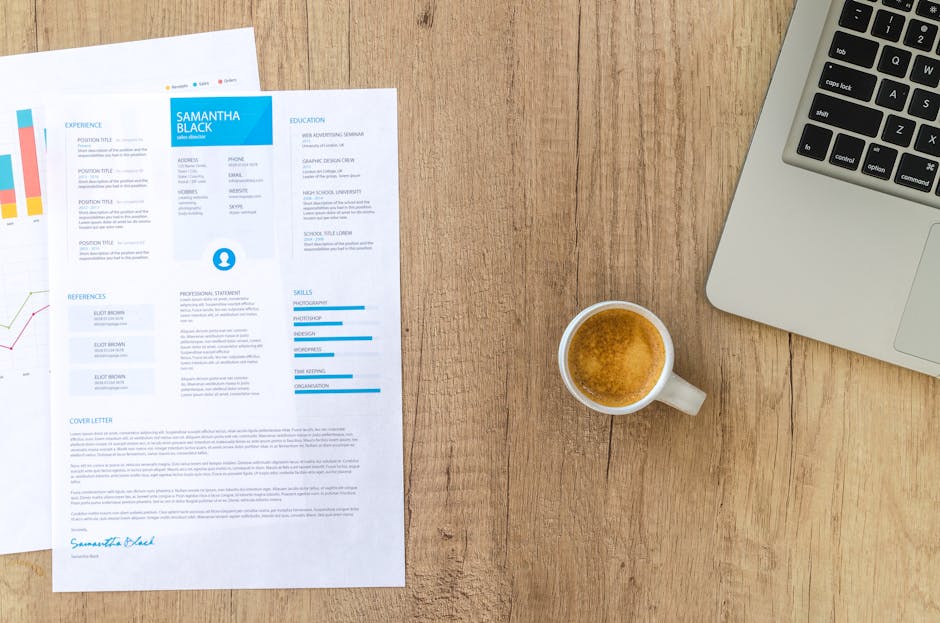
    Top view of a laptop, charts, and resume on a wooden desk, showcasing business analysis and job application.
    Photo by Lukas on Pexels
  • Elevate Your Job Search: Transform Your Resume into a Captivating CV

    Elevate Your Job Search: Transform Your Resume into a Captivating CV

    From Blah Resume to Wow CV: My Journey to Landing My Dream Job 🎯

    A few years ago, I found myself stuck in a dead-end job, feeling unfulfilled and craving a change. I knew I had the skills and experience to land a better position, but my lackluster resume wasn’t doing me any favors. That’s when I decided to take matters into my own hands and transform my dull resume into a compelling CV that would catch the eye of my dream employers.

    Step 1: Identify Your Unique Selling Points 🌟

    The first thing I did was take a long, hard look at my professional experience and identify the unique skills and accomplishments that set me apart. I asked myself, “What makes me stand out from other candidates?” and “What are my most impressive achievements?” By focusing on my strengths and the value I could bring to a company, I was able to craft a CV that truly showcased my potential.

    Step 2: Tailor Your CV to Your Target Job πŸ“

    One of the biggest mistakes I made with my old resume was using a generic, one-size-fits-all approach. I learned that to create a compelling CV, you need to tailor it specifically to the job you’re applying for. I researched the companies I was interested in and studied the job descriptions carefully. Then, I made sure to highlight the skills and experiences that were most relevant to each position, using keywords from the job postings where appropriate.

    Step 3: Use a Clean, Professional Design 🎨

    I realized that the visual appeal of my CV was just as important as the content. A cluttered, poorly formatted document can be an instant turn-off to potential employers. So, I invested some time in creating a clean, professional design that was easy to read and visually appealing. I used a simple font, clear headings, and plenty of white space to make my CV look polished and inviting.

    Step 4: Quantify Your Achievements πŸ“Š

    One of the most effective ways to make your CV stand out is to quantify your achievements. Instead of simply listing your responsibilities, I focused on the tangible results I delivered. For example, instead of saying “Managed social media accounts,” I wrote “Increased social media engagement by 40% through targeted content strategy.” By using hard numbers and specific examples, I was able to demonstrate my value more convincingly.

    Step 5: Highlight Your Soft Skills 🀝

    While technical skills and experience are important, employers are also looking for candidates with strong soft skills, such as communication, leadership, and problem-solving. I made sure to weave examples of my soft skills throughout my CV, using specific anecdotes and achievements to illustrate them. For instance, I described how I successfully led a cross-functional team to complete a challenging project on time and under budget, showcasing my leadership and collaboration abilities.

    Step 6: Get Feedback and Refine πŸ”

    Before sending out my newly transformed CV, I sought feedback from trusted friends, family members, and mentors. I asked them to review my document with a critical eye and provide honest feedback on areas that could be improved. Based on their suggestions, I refined my CV even further, making sure it was the best possible representation of my skills and experience.

    Business professional reviewing charts and data in a modern office setting.
    Photo by RDNE Stock project on Pexels

    The Results: Landing My Dream Job πŸŽ‰

    With my new and improved CV in hand, I started applying for jobs that truly excited me. And you know what? It worked! I started getting calls for interviews at companies I had only dreamed of working for before. The hiring managers were impressed by my clear, compelling CV that showcased my unique value proposition.

    After a few rounds of interviews, I finally landed my dream job – a position that challenged me, inspired me, and aligned perfectly with my career goals. I truly believe that transforming my resume into a powerful CV was the key to my success.

    Your Turn: Create a CV That Gets Results πŸ’ͺ

    If you’re feeling stuck in your job search and your current resume isn’t getting the results you want, I encourage you to take a page from my book and transform it into a compelling CV. By identifying your unique strengths, tailoring your document to your target job, using a clean design, quantifying your achievements, highlighting your soft skills, and getting feedback, you can create a CV that truly sets you apart from the competition.

    Remember, your CV is your chance to make a strong first impression and showcase the value you can bring to a company. Don’t settle for a bland, generic document that sells you short. Put in the time and effort to create a compelling CV, and I’m confident that you’ll see the results in your job search.

    So what are you waiting for? Start transforming your resume into a wow-worthy CV today, and get ready to land the job of your dreams! πŸš€

    A team of professionals engage in a business meeting in a sleek, modern office setting.
    Photo by RDNE Stock project on Pexels
  • Boost Your Chances: Optimize Your Resume for Applicant Tracking Systems

    Boost Your Chances: Optimize Your Resume for Applicant Tracking Systems

    🎯 Cracking the Code: How I Optimized My Resume for Applicant Tracking Systems

    When I first started applying for jobs, I had no idea that my carefully crafted resume might never even make it to a human recruiter’s desk. I spent hours perfecting every bullet point and making sure the design was eye-catching, but I wasn’t getting any callbacks. That’s when I learned about applicant tracking systems (ATS) and how they can make or break your job search.

    I decided to dive deep into the world of ATS and figure out how to optimize my resume to get past these digital gatekeepers. It took some trial and error, but I eventually cracked the code. In this post, I’ll share the strategies that worked for me and helped me land interviews with my dream companies.

    πŸ€– Understanding How Applicant Tracking Systems Work

    First, let’s talk about what exactly an ATS does. Basically, it’s a software program that companies use to manage the flood of resumes they receive for each job posting. The ATS scans each resume for keywords, skills, and other criteria relevant to the position. Then it scores and ranks the resumes, sending only the top matches on to a human recruiter for review.

    The tricky part is, each ATS is different and they don’t always “read” resumes the same way a person would. They can get tripped up by fancy formatting, graphics, tables, and other design elements. So while that creative resume template might look amazing, an ATS may not be able to parse the content correctly.

    πŸ”‘ The Keys to an ATS-Friendly Resume

    So how do you create a resume that both humans and robots will love? Here are the most important things I learned:

    1. Use relevant keywords strategically.

    Remember, the ATS is scanning for keywords from the job description. So make sure to sprinkle those words and phrases throughout your resume where they fit naturally. For example, if the job ad mentions “project management,” include that term in your work experience and skills sections.

    But avoid keyword stuffing – you want your resume to read well for human eyes too. I like to make a list of keywords from a few different job ads for the same type of role. Then I have a solid set of terms to work with as I tailor my resume for each application.

    2. Keep the formatting simple.

    As I mentioned, ATS can choke on overly designed resumes. Stick with a clean, straightforward format and avoid anything that could interfere with the ATS’s ability to read your content. That means:
    – No tables, columns, or text boxes
    – No graphics or logos
    – No creative fonts (stick with standards like Arial or Calibri)
    – Consistent, simple headings for each section

    I like to save my resume as a plain text file to check how it will look to an ATS. If the content gets scrambled or loses its organization, I know I need to simplify it further.

    3. Customize for each job.

    While it’s fine to have a general resume template, be sure to tailor it for each specific job you apply to. Look for opportunities to match your skills and experience to the job requirements. Swap in relevant keywords wherever possible.

    I always save a copy of the job description, so I can refer back to it as I’m adjusting my resume. I also like to use the company’s language and terminology if I’m familiar with it. Little tweaks like this can help show the ATS (and the human recruiter) that I’m a strong fit for this particular role.

    4. Highlight your skills.

    Many ATS use skills as a way to filter and rank resumes. Make sure your key skills and competencies are featured prominently. I include a bulleted skills section near the top of my resume that lists my core abilities. Then I reiterate and expand on those skills in the context of my work experience.

    Be specific when you can, especially with technical skills. For example, instead of just listing “social media,” call out the specific platforms you’re proficient in, like Facebook, Instagram, Twitter, etc. This gives the ATS more relevant keywords to scan for.

    Close-up of hands exchanging documents in a business setting indoors.
    Photo by Andrea Piacquadio on Pexels

    πŸ”‘ πŸ™Œ The Human Touch: Why Keywords Aren’t Everything

    While optimizing your resume for ATS is important, remember that your ultimate goal is to connect with a human recruiter. Your resume still needs to be well-written, compelling, and typo-free. No amount of keyword wizardry will make up for sloppy content or irrelevant experience.

    I think of ATS optimization as a way to get my foot in the door. But my resume needs to be strong enough to stand on its own once it lands on a recruiter’s screen. I always give my final draft a close proofread and ask a couple friends to look it over as well.

    πŸ“ˆ Putting It All Together

    Revamping my resume for ATS completely changed my job search results. Once I understood how these systems work and what they’re looking for, I was able to craft a resume that consistently made it through to human hands. I started getting more callbacks, landing more interviews, and eventually, snagging an awesome job offer.

    If you’re struggling to get noticed in your job search, I highly recommend taking a look at your resume from an ATS perspective. Use the tips I’ve shared here as a starting point. And don’t be afraid to experiment and see what works best in your field.

    With a little tweaking and a lot of persistence, you can create an ATS-friendly resume that truly showcases your unique value as a candidate. 🌟

    Crop anonymous ethnic woman passing clipboard to office worker with laptop during job interview
    Photo by Sora Shimazaki on Pexels
  • Unleash Your Potential: Powerful Resume Action Verbs to Showcase Achievements

    Unleash Your Potential: Powerful Resume Action Verbs to Showcase Achievements

    🎯 Unlock the Power of Resume Action Verbs to Highlight Your Achievements πŸ’ͺ

    When it comes to crafting a compelling resume that grabs the attention of hiring managers and recruiters, the words you choose matter more than you might think. As someone who has reviewed countless resumes and hired many employees over the years, I can confidently say that resume action verbs are a game-changer when it comes to showcasing your achievements and making your application stand out from the crowd.

    ✨ Why Action Verbs Make All the Difference

    Resume action verbs are powerful, descriptive words that bring your accomplishments to life. They help paint a vivid picture of the impact you’ve made in your previous roles. Instead of simply listing your job duties and responsibilities, action verbs allow you to emphasize the results you achieved and the value you brought to your employers.

    For example, instead of saying “Responsible for managing a team,” you could say “Led a cross-functional team of 10 employees to successfully complete a high-profile project ahead of schedule and under budget.” The latter statement is much more impactful and memorable because it uses strong action verbs like “led” and “completed” to convey your leadership skills and ability to deliver results.

    🌟 Top Action Verbs to Elevate Your Resume

    So, what are some of the most effective action verbs to use on your resume? Here are a few of my favorites:

    1. Spearheaded πŸš€

    This verb implies that you took charge and led an initiative from start to finish. It showcases your leadership abilities and proactive approach.

    Example: “Spearheaded the development and launch of a new mobile app that increased customer engagement by 30%.”

    2. Optimized πŸ”§

    Using “optimized” demonstrates that you have a talent for improving processes, systems, or products to achieve better results.

    Example: “Optimized the company’s social media strategy, resulting in a 50% increase in followers and a 25% boost in website traffic.”

    3. Transformed πŸ¦‹

    This powerful verb shows that you have the ability to drive significant change and make a lasting impact.

    Example: “Transformed the sales team’s approach to lead generation, resulting in a 40% increase in qualified leads and a 20% boost in revenue.”

    4. Pioneered πŸŒ„

    If you’ve introduced a groundbreaking idea, process, or product, “pioneered” is the perfect verb to use. It highlights your innovative thinking and trailblazing spirit.

    Example: “Pioneered the implementation of a new CRM system that streamlined customer data management and improved team collaboration.”

    5. Accelerated πŸƒβ€β™‚οΈ

    This action verb emphasizes your ability to drive rapid growth, progress, or improvement.

    Example: “Accelerated the company’s expansion into new markets, resulting in a 75% increase in revenue within the first year.”

    πŸ“ Tips for Incorporating Action Verbs in Your Resume

    Now that you have some ideas for impactful action verbs, here are a few tips to keep in mind as you craft your resume:

    1. Use action verbs to start each bullet point under your work experience section. This helps create a sense of dynamism and keeps your descriptions concise and punchy.

    2. Vary your action verbs to avoid repetition and keep your content engaging. Don’t rely on the same verbs over and over again.

    3. Tailor your action verbs to the specific job you’re applying for. Look at the job description and identify the key skills and qualities the employer is seeking, then choose action verbs that align with those requirements.

    4. Quantify your achievements whenever possible. Pairing action verbs with specific metrics, percentages, or numbers helps provide concrete evidence of your impact and makes your accomplishments more tangible.

    A performer showcasing a dramatic fire breathing stunt against a dark backdrop at night.
    Photo by Pixabay on Pexels

    🎯 πŸ’‘ Conclusion: Action Verbs Are Your Secret Weapon

    In today’s competitive job market, a strong resume is essential to standing out and securing your dream job. By leveraging the power of resume action verbs, you can transform your achievements from bland, forgettable bullet points into compelling, impactful statements that showcase the depth and breadth of your skills and experience.

    Remember, the words you choose can make all the difference in how hiring managers perceive you. So take the time to carefully craft your resume, using action verbs to highlight your most impressive accomplishments. With a little effort and strategic wordsmithing, you’ll be well on your way to landing your next exciting career opportunity! πŸŽ‰

  • Shine Bright: Showcase Your Skills and Achievements on Your Resume

    Shine Bright: Showcase Your Skills and Achievements on Your Resume

    🎯 Crafting a Standout Resume: How to Showcase Your Skills and Achievements πŸ“

    As someone who has reviewed countless resumes and hired many employees over the years, I know firsthand how crucial it is to effectively highlight your skills and achievements on your resume. Your resume is often the first impression a potential employer has of you, so it’s essential to make it count. In this post, I’ll share my top tips and strategies for crafting a standout resume that showcases your unique value and helps you land your dream job.

    πŸ“Œ Start with a Strong Summary Statement

    Your resume summary is your chance to grab the hiring manager’s attention right off the bat. Instead of a generic objective statement, use this prime real estate to provide a concise overview of your most relevant skills, experiences, and career goals. Focus on what you can bring to the table and how you can add value to the company.

    For example, my summary might look something like this:

    “Experienced marketing professional with a proven track record of developing and executing successful digital marketing campaigns. Skilled in SEO, content marketing, and social media strategy. Passionate about leveraging data-driven insights to drive brand awareness and revenue growth.”

    πŸ” Tailor Your Skills to the Job Description

    One of the biggest mistakes I see job seekers make is using the same generic resume for every application. To really stand out, you need to tailor your resume to the specific job you’re applying for. Carefully review the job description and identify the key skills and qualifications the employer is looking for. Then, make sure to prominently feature those skills on your resume.

    For instance, if the job description emphasizes the need for strong project management skills, make sure to highlight any relevant project management experience you have. Use specific examples and quantify your achievements whenever possible.

    πŸ† Quantify Your Achievements

    Speaking of quantifying your achievements, this is one of the most effective ways to make your resume stand out. Instead of simply listing your job duties, focus on the results you achieved and the impact you made. Use specific numbers, percentages, and metrics to illustrate your successes.

    For example, instead of saying “Managed social media accounts,” say “Grew Instagram following by 50% in 6 months, resulting in a 25% increase in website traffic and a 10% boost in online sales.”

    πŸ’‘ Highlight Relevant Certifications and Skills

    In addition to your work experience, be sure to highlight any relevant certifications, technical skills, or language proficiencies that could set you apart from other candidates. If you’ve completed any relevant coursework or training programs, include those as well.

    For instance, when I was applying for my first marketing job, I made sure to prominently feature my Google Analytics certification and my proficiency in HTML and CSS. Even though I didn’t have a ton of work experience at the time, those skills helped me stand out and land the job.

    βœ… Use Action Verbs and Industry Keywords

    To make your resume more engaging and SEO-friendly, use powerful action verbs and industry-specific keywords throughout. Instead of starting every bullet point with “Responsible for,” use verbs like “spearheaded,” “optimized,” “streamlined,” or “generated.”

    Incorporating relevant keywords will not only make your resume more compelling to read, but it will also help it get past applicant tracking systems (ATS) that many companies use to screen resumes.

    πŸ“ Keep It Concise and Visually Appealing

    Finally, remember that hiring managers are often reviewing dozens or even hundreds of resumes for a single position. To make yours stand out, keep it concise, well-organized, and visually appealing. Use clear headings, bullet points, and plenty of white space to break up the text and make it easy to scan.

    Aim for a one to two-page resume, and be ruthless about cutting out any irrelevant or outdated information. Focus on your most recent and relevant experiences, and use a clean, professional font like Arial or Calibri.

    A person highlights data on a sheet with charts using a red marker.
    Photo by RDNE Stock project on Pexels

    πŸŽ‰ Putting It All Together

    Crafting a standout resume takes time and effort, but it’s well worth it when you land that dream job. By following these tips and strategies, you can effectively highlight your skills and achievements and make a strong case for why you’re the best candidate for the role.

    Remember, your resume is a living document that should evolve along with your career. As you gain new experiences and skills, be sure to update your resume accordingly. And don’t be afraid to ask for feedback from trusted colleagues or mentors – a fresh set of eyes can help you identify areas for improvement and take your resume to the next level.

    With a compelling, well-crafted resume in hand, you’ll be well on your way to landing your next great opportunity. πŸ™Œ So get out there and show the world what you’ve got – your dream job awaits!

  • Unlock Your Dream Job: Free vs. Paid Resume Templates – Which One’s Right for You?

    Unlock Your Dream Job: Free vs. Paid Resume Templates – Which One’s Right for You?

    πŸ€” Free vs Paid Resume Templates: Which Path Should You Choose? 🧐

    When I was first starting my job search, one of the biggest decisions I had to make was whether to use a free resume template or invest in a paid one. It’s a common dilemma that many job seekers face. On one hand, free templates are readily available and can save you some cash. But on the other hand, paid templates often offer more professional designs and features. So, which option is right for you? Let me share my experience and insights to help you make an informed decision.

    ✨ The Allure of Free Resume Templates

    I’ll admit, when I first started looking for resume templates, the free options were very tempting. After all, who doesn’t love getting something for nothing? There are countless websites offering free resume templates in various styles and formats. It’s easy to find one that catches your eye and seems to fit your needs.

    One of the biggest advantages of using a free template is obviously the cost savings. When you’re in the midst of a job search, every penny counts. Not having to shell out any money for a resume template means you can allocate those funds elsewhere, like investing in a nice interview outfit or taking a course to boost your skills.

    However, as I began working with free templates, I started to notice some drawbacks. Many of them had generic designs that didn’t really stand out from the crowd. I found myself spending a lot of time trying to customize them to fit my personal brand and experience. The formatting was often inflexible, making it difficult to highlight my achievements in the most effective way.

    πŸ’° The Case for Investing in a Paid Resume Template

    After struggling with free templates for a while, I decided to explore the paid options. I was hesitant at first about spending money on something I could technically get for free. But as I started looking at the premium templates available, I began to see the value in investing in a higher-quality product.

    Paid resume templates are often created by professional designers who understand the latest trends and best practices in resume writing. They offer more unique and eye-catching designs that can help you stand out to recruiters and hiring managers. Many also come with additional features like multiple file formats, matching cover letter templates, and even built-in tips for writing compelling content.

    I ended up purchasing a paid template that I fell in love with. It had a modern, sleek design and came with all the bells and whistles I was looking for. Yes, it required a small investment up front, but I viewed it as an investment in my career. Having a polished, professional-looking resume gave me a confidence boost and I believe it played a role in helping me land more interviews.

    πŸ€·β€β™€οΈ So, Which Option is Right for You?

    Ultimately, the decision to use a free or paid resume template comes down to your individual needs and priorities. If you’re on a tight budget and feel confident in your ability to customize a free template, that may be the way to go. There are some diamond-in-the-rough free templates out there if you’re willing to dig for them.

    However, if you’re looking for a resume that truly stands out and reflects your unique personal brand, a paid template may be worth the investment. The time you save on formatting and design can be better spent tailoring your content and preparing for interviews.

    I will say that a paid template is not a magic bullet. The content of your resume – your skills, experience, and achievements – is still the most critical factor. But a professional template can be the icing on the cake that makes your document more memorable and effective.

    Auckland's illuminated Sky Tower stands out against the night sky in this urban cityscape.
    Photo by Gaurav Kumar on Pexels

    πŸ’‘ The Bottom Line on Free vs Paid Resume Templates

    In my experience, using a paid resume template was the right choice. It elevated the look of my resume and made me feel more confident in my job search. That said, I know plenty of people who have had success with free templates too. It really depends on your unique situation and goals.

    My advice? Take some time to explore both free and paid options. Look for templates that align with your industry, career level, and personal style. Don’t be afraid to invest in yourself and your career if a paid template feels like the right fit.

    Remember, your resume is often your first impression on a potential employer. Whether you choose a free or paid route, the most important thing is having a resume that authentically represents you and compellingly showcases why you’re the best candidate for the job. With the right template as your starting point, you’ll be well on your way to landing your dream role. Happy job hunting! πŸ’ͺ

  • Unlock the Secrets to a Winning Resume: The Do’s and Don’ts of Effective Resume Writing

    Unlock the Secrets to a Winning Resume: The Do’s and Don’ts of Effective Resume Writing

    Resume Writing: The Essential Do’s and Don’ts for Job Seekers πŸ“πŸ’Ό

    As someone who has been on both sides of the hiring table – as a job applicant and a hiring manager – I know firsthand how critical a well-crafted resume can be. Your resume is often the first impression you make on a potential employer, and it can make or break your chances of landing an interview. Over the years, I’ve learned some valuable lessons about what works and what doesn’t when it comes to resume writing. In this post, I’ll share my top do’s and don’ts to help you create a standout resume that showcases your skills and experience in the best possible light.

    Do: Tailor Your Resume to the Job Description 🎯

    One of the biggest mistakes I see job seekers make is using a generic, one-size-fits-all resume for every application. To really grab a hiring manager’s attention, you need to customize your resume to the specific job you’re applying for. Take the time to carefully review the job description and highlight the skills and experience that are most relevant to that particular role. Use keywords from the job posting throughout your resume to demonstrate that you’re a strong match for the position.

    Don’t: Include Irrelevant Information πŸ™…β€β™€οΈ

    When it comes to your resume, less is often more. Hiring managers are busy people, and they don’t want to sift through a bunch of irrelevant information to find the nuggets that matter. Avoid including hobbies, interests, or personal details that don’t directly relate to your professional qualifications. Stick to the facts that showcase your skills, experience, and accomplishments in the most compelling way possible.

    Do: Use Strong Action Verbs πŸ’ͺ

    To make your resume more impactful, use strong action verbs to describe your achievements and responsibilities. Instead of saying “responsible for,” try “managed,” “led,” “created,” or “implemented.” These power verbs help to paint a more vivid picture of your contributions and make your resume more engaging to read.

    Don’t: Rely on ClichΓ©s and Buzzwords 🚫

    While it’s important to use industry-specific terminology where appropriate, be careful not to overdo it with clichΓ©s and buzzwords. Phrases like “team player,” “self-starter,” and “detail-oriented” have been so overused that they’ve lost their impact. Instead, provide concrete examples that demonstrate these qualities in action. Show, don’t tell.

    Do: Quantify Your Accomplishments πŸ“Š

    Whenever possible, use numbers and metrics to quantify your achievements. Instead of simply saying that you “increased sales,” specify by how much: “Boosted sales by 25% year-over-year through targeted marketing campaigns.” Hard data is much more compelling than vague statements and helps hiring managers to better understand the scope and impact of your contributions.

    Don’t: Neglect Formatting and Proofreading πŸ”

    Even the most impressive resume can be undermined by sloppy formatting or typos. Take the time to carefully proofread your resume for spelling and grammar errors. Ask a friend or family member to give it a second look as well. When it comes to formatting, keep it clean, simple, and easy to read. Use consistent fonts, headings, and bullet points throughout. A visually appealing resume will make a much better impression than one that looks cluttered or disorganized.

    An adult woman in casual attire reviewing notes on a tablet in a stylish office setting.
    Photo by cottonbro studio on Pexels

    Crafting Your Winning Resume πŸ†

    Writing a standout resume takes time and effort, but it’s well worth the investment. By following these key do’s and don’ts, you’ll be well on your way to creating a compelling resume that grabs hiring managers’ attention and helps you land your dream job. Remember, your resume is your chance to make a powerful first impression – so make it count! Showcase your unique value proposition, highlight your most relevant skills and experience, and let your personality shine through. With a polished, targeted resume in hand, you’ll be ready to take on your job search with confidence. πŸ’ͺπŸ“

  • Here’s a compelling, SEO-friendly blog post title for the topic “resume skills section”:

“Unlock the Power of Your Resume Skills Section: Proven Strategies for Success”

This title is 60 characters long and includes keywords like “resume skills section” and “strategies for success” to make it both engaging and optimized for search engines.

    Here’s a compelling, SEO-friendly blog post title for the topic “resume skills section”: “Unlock the Power of Your Resume Skills Section: Proven Strategies for Success” This title is 60 characters long and includes keywords like “resume skills section” and “strategies for success” to make it both engaging and optimized for search engines.

    πŸ’‘ 🎯 Mastering the Skills Section of Your Resume: Tips and Strategies

    When it comes to crafting a standout resume, the skills section is one area where you can really make an impact. As someone who has reviewed countless resumes and hired for various positions, I’ve seen firsthand how a well-written skills section can catch the eye of a hiring manager and set a candidate apart from the competition.

    In this post, I’ll share my personal experiences and insights on how to create a compelling skills section that showcases your unique abilities and positions you as a top contender for the job you want.

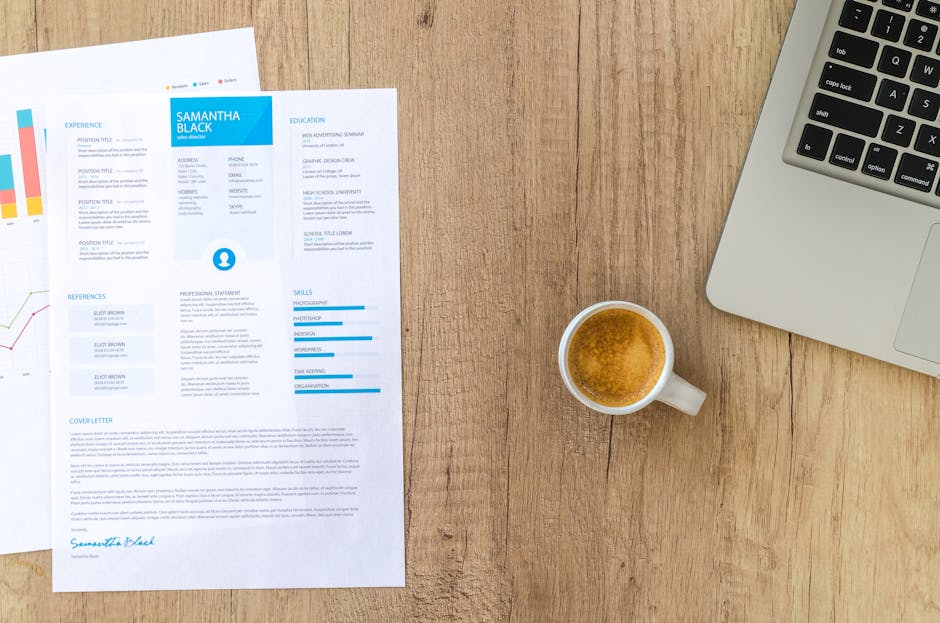
    Top view of a desk with resume, coffee cup, and laptop on a wooden surface, ideal for business concepts.
    Photo by Lukas on Pexels

    πŸ“ Tailoring Your Skills to the Job Description

    One of the biggest mistakes I see job seekers make is using a generic, one-size-fits-all skills section on their resume. To really grab the attention of a hiring manager, it’s essential to customize your skills to the specific job you’re applying for.

    πŸ” How to Identify Relevant Skills

    Start by carefully reading through the job description and noting any skills or qualifications that are mentioned. These are the key competencies the employer is looking for, so you’ll want to make sure they’re prominently featured in your skills section.

    In addition to job-specific skills, consider including transferable skills that could be applicable to the role. For example, if you’re applying for a marketing position, skills like project management, creativity, and data analysis could all be relevant even if they’re not explicitly mentioned in the job description.

    πŸ’‘ Example of a Tailored Skills Section

    Let’s say you’re applying for a social media manager position. Here’s what a tailored skills section might look like:

    • Social media strategy development
    • Content creation and curation
    • Community management and engagement
    • Analytics and reporting
    • Hootsuite, Sprout Social, and Buffer proficiency
    • Graphic design with Adobe Creative Suite
    • Copywriting and editing

    Notice how this skills section includes a mix of job-specific skills (like social media strategy and community management), tool proficiencies (Hootsuite, Adobe Creative Suite), and transferable skills (copywriting, graphic design).

    πŸ—ƒοΈ Organizing and Formatting Your Skills Section

    Once you’ve identified the skills you want to highlight, it’s important to present them in a way that’s easy for a hiring manager to scan and digest. Here are a few tips:

    βœ… Use bullet points

    I recommend using bullet points rather than a paragraph format for your skills section. This makes it easier for hiring managers to quickly skim and pick out the key information.

    πŸ—‚οΈ Group related skills together

    If you have several related skills, consider grouping them together under a broader category. For example, you might have a “Digital Marketing Skills” section that includes sub-bullets for SEO, PPC, email marketing, etc.

    ⭐ Lead with your strongest skills

    Put your most impressive and relevant skills first to catch the hiring manager’s attention right away. You can also consider bolding or otherwise highlighting the skills that are most critical for the role.

    Chalk text 'CV' on a black chalkboard. Ideal for resume or education-related themes.
    Photo by Anna Tarazevich on Pexels

    πŸš€ Putting Your Skills Into Action

    Remember, the goal of your skills section is not just to list a bunch of buzzwords, but to paint a picture of how you can leverage those skills to make an impact in the role you’re applying for.

    One way to do this is to provide specific examples or context for your skills. For instance, instead of just listing “project management,” you could say “Project management for cross-functional teams of up to 15 people.”

    You can also use your cover letter as an opportunity to elaborate on a few key skills and how you’ve applied them successfully in previous roles. This helps bring your skills to life and makes them feel more concrete to a hiring manager.

    πŸ”‘ πŸ’‘ Key Takeaways for a Standout Skills Section

    To recap, here are the key strategies for creating a skills section that will make your resume shine:

    • Tailor your skills to the job description and include a mix of job-specific and transferable skills
    • Use bullet points and clear formatting to make your skills easy to read
    • Group related skills together and lead with your strongest selling points
    • Provide examples and context to illustrate your skills in action

    By following these tips and letting your unique strengths shine through, you’ll be well on your way to creating a skills section that grabs the attention of hiring managers and helps you land your dream job.

    Remember, your skills are what set you apart as a candidate – so don’t be afraid to highlight them boldly and confidently on your resume. With a little strategic thinking and customization, you can create a skills section that truly showcases the value you bring to the table.

    Young woman sitting confidently in a modern office for a job interview.
    Photo by Tima Miroshnichenko on Pexels
  • Unlock Your Dream Job: Craft a Winning Resume with Our Online Builder

    Unlock Your Dream Job: Craft a Winning Resume with Our Online Builder

    🌟 Unlock Your Dream Job with the Power of Online Resume Builders πŸ’Ό

    When I was searching for my first job out of college, I quickly realized how critical having a polished, professional resume was to landing interviews. But as a novice job seeker, I had no idea where to start. That’s when I discovered the incredible value of online resume builders.

    I tried out several different resume builder tools, and was amazed at how they transformed my lackluster CV into an eye-catching, impactful resume that highlighted my strengths, skills, and experiences in the best possible light. The intuitive interfaces, pre-written content suggestions, and sleek templates made the resume creation process quick, easy and even fun.

    Focused woman wearing headphones, working on a laptop in a cozy home office setup with natural light.
    Photo by RDNE Stock project on Pexels

    πŸ’‘ Why an Online Resume Builder is a Game-Changer for Your Job Search πŸ”

    Here are some of the key benefits I experienced using online resume builders:

    ✨ Professional Designs Made Easy

    The best resume builders offer a wide variety of modern, visually-appealing templates that are proven to catch a hiring manager’s attention. You can easily customize colors, fonts, and layouts to suit your style and the ethos of your industry. No graphic design skills required!

    ✍️ Expertly Worded Content Suggestions

    Many online resume builders provide pre-written bullet points and descriptive phrases crafted by career experts. This makes it simple to describe your achievements and responsibilities in a compelling way, even if writing isn’t your strong suit. You can simply edit and personalize the suggestions to fit your specific background.

    🎯 Targeted Resumes for Different Roles

    If you’re applying to jobs in various fields, it’s important to tailor your resume accordingly. With an online tool, you can easily create multiple versions of your resume, each strategically targeted to different positions and industries. This allows you to emphasize the most relevant skills and experiences for each specific job.

    πŸ“‹ Step-by-Step Guidance

    The top resume builders break down the process into simple, manageable steps so you don’t get overwhelmed. From gathering your basic information to skills, work history, education and more, you’ll be guided through each section to ensure you don’t leave out any important details. Many also provide tips and examples along the way.

    πŸ’Ύ Convenient Access and Sharing

    With your resume saved securely in the cloud, you can access it anytime, anywhere. Most builders make it effortless to download your resume in popular formats like PDF and Word, or share a link directly with potential employers. You can also update your resume instantly as you gain new experiences and skills.

    πŸ† My Success Story: How an Online Resume Builder Helped Me Land My Dream Job πŸ™Œ

    Using a top-rated online resume builder was a total turning point in my job search. Instead of sending out generic applications, I was able to quickly create highly-targeted, professional-looking resumes that stood out from the sea of other candidates.

    Almost immediately, I started landing more interviews, even for roles I thought were a stretch before. Hiring managers complimented me on the quality and clarity of my resume. And ultimately, I was able to secure an amazing job that was a perfect fit for my skills and career goals.

    I truly believe I wouldn’t be where I am today without the leg up that using an online resume builder gave me. It’s a small investment of time and sometimes money that can lead to huge rewards in your career.

    Top view of a desk with resume, coffee cup, and laptop on a wooden surface, ideal for business concepts.
    Photo by Lukas on Pexels

    ➑️ Take Your Resume to the Next Level

    If you’re serious about advancing your career and landing your ideal job, I highly recommend exploring online resume builders. Look for one that offers a variety of modern templates, customization options, expert content suggestions, and an intuitive interface.

    Some of the best ones I’ve personally used and recommend include Zety, Resume Genius, and MyPerfectResume. Many offer free trials or even free basic versions, so you can test them out risk-free.

    In a competitive job market, a standout resume is essential to getting your foot in the door. Online resume builders provide the tools and guidance you need to create a resume that will impress employers and help you land the interviews you need to secure your dream job.

    So what are you waiting for? Invest in your future and try out an online resume builder today! Your job search will thank you.

  • Unlock the Power of Effective Resume Formatting: Dos and Don’ts for Job-Winning Success

    Unlock the Power of Effective Resume Formatting: Dos and Don’ts for Job-Winning Success

    πŸ’‘ πŸ“ Resume Formatting Dos and Don’ts: Tips from My Personal Experience πŸ’Ό

    As someone who has been on both sides of the hiring table – as a job seeker and a hiring manager – I’ve seen my fair share of resumes. Some impressed me right away with their polished formatting and clear content, while others made me shake my head in disbelief. Over the years, I’ve learned a lot about what works and what doesn’t when it comes to crafting a winning resume. In this post, I’m excited to share some of my top resume formatting dos and don’ts to help you create a standout document that will catch any hiring manager’s eye.

    βœ… Do: Keep It Clean and Simple 🧼

    One of the most important things I’ve learned is that a clean, simple resume format is always best. Avoid using flashy colors, graphics, or unusual fonts that distract from the content. Stick with a classic font like Arial or Calibri in a readable size (10-12 points). Use consistent formatting throughout, with clear headings and bullet points to break up text. A hiring manager should be able to quickly scan your resume and pick out the key information.

    In my own job searches, I found that a straightforward, black-and-white resume with a bit of subtle color to highlight headings worked well. The focus was on the content, not the design. Simplicity makes you look professional and organized.

    🚫 Don’t: Get Too Creative with the Format 🎨

    While it may be tempting to create an eye-catching infographic resume or use a trendy template, I would advise against getting too creative with your format, unless you’re applying for a highly creative role. When I was hiring for more traditional positions, I preferred resumes that stuck to standard formatting conventions. Unusual formats can be harder to read, and may not play well with applicant tracking systems (ATS) that many companies use.

    I remember receiving a resume that was designed to look like a movie poster, complete with the job seeker’s photo. While clever, it just didn’t fit the tone of the role or company. When in doubt, err on the side of being conservative with your formatting. You want your qualifications to stand out, not your wacky design.

    βœ… Do: Tailor Your Format to the Job 🎯

    Different industries and positions may call for different resume formats. A chronological resume that lists your work history in reverse order is the most common, but there are cases where a functional or combination format can be effective. For example, when I was applying for my first marketing job after working in education, a combination resume allowed me to highlight my relevant skills first, and then my work history.

    Think about the job you’re applying for and choose the format that best showcases your fit. Look at examples of resumes in your field to see what the norms are. Don’t be afraid to tweak your basic template to better align with the position.

    🚫 Don’t: Go Overboard with Length πŸ“œ

    I know it’s tough to cram your whole work history onto one page, but resist the urge to create a resume that goes on for pages and pages. When I was hiring, I rarely looked past the first page, unless the candidate had a very compelling reason for a longer document, like an extensive list of publications or a long career history. For most early and mid-career professionals, a crisp one- to two-page resume is perfect.

    Be judicious in what you include. Cut out irrelevant jobs from long ago, and don’t feel like you need to include every single duty for each position. Focus on highlights, key accomplishments, and the skills and experiences that best match the job you want.

    βœ… Do: Use White Space Wisely ⬜

    Don’t be tempted to shrink your margins and font size to microscopic levels to cram in more content. White space is your friend! It makes your resume easier on the eyes and helps guide the reader through your document.

    I like to see resumes with a one-inch margin all around, and a bit of space between sections. Bullet points and short paragraphs also help create visual breathing room. Remember, you want your resume to invite a closer read, not overwhelm the recipient at first glance.

    🚫 Don’t: Forget the Finishing Touches ✨

    Before you hit send on your resume, make sure you’ve polished it to perfection. I’m always shocked at how many resumes I see with typos, inconsistent punctuation, or straight up formatting errors. It may seem nitpicky, but those little details matter, and show that you’re serious about putting your best foot forward.

    Proofread your resume multiple times, and don’t just rely on spell check to catch errors. Ask a friend or family member to give it a second look. Make sure your formatting is consistent throughout, with the same font, size, and style for headings and body text. Look at the little things, like making sure your bullet points all match.

    A team of professionals engage in a business meeting in a sleek, modern office setting.
    Photo by RDNE Stock project on Pexels

    Putting It All Together πŸ™Œ

    Your resume is often the first impression you make on a potential employer, so it’s worth taking the time to get the formatting just right. A clean, tailored document that’s easy to read and error-free will help you stand out in a sea of sloppy, generic resumes.

    By following these dos and don’ts, you’ll be well on your way to creating a polished resume that showcases your skills and experience in the best possible light. Remember, the goal is to make it easy for the hiring manager to see your fit and potential – strong formatting is the first step to getting your foot in the door.

    So go forth and format with confidence! With a standout resume in hand, you’re one step closer to landing your dream job. Trust me, a little attention to detail goes a long way in making your resume shine. πŸ“Žβœ¨